Integrating Live Dealer Feeds with Cryptocurrency Infrastructure for Dynamic Reward Recalibration in Mobile Platforms
Written by Ulrich Powell · Nov 7, 2026
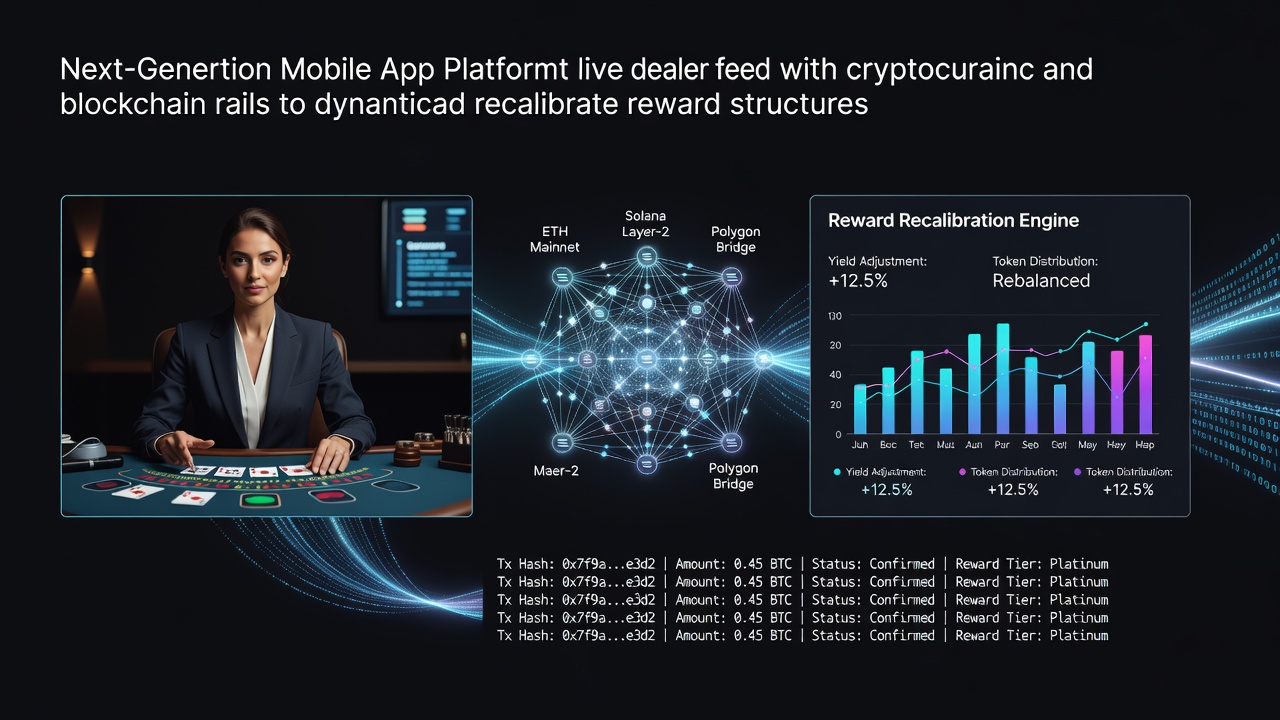
Integrating Live Dealer Feeds with Cryptocurrency Infrastructure for Dynamic Reward Recalibration in Mobile Platforms
Modern mobile gaming platforms rely on layered application frameworks that connect live dealer video streams directly to cryptocurrency transaction systems, and this integration allows real-time adjustments to player reward tiers based on verified on-chain activity. Developers build these connections through websocket protocols for dealer feeds alongside blockchain node APIs that monitor wallet interactions, while data pipelines route bet outcomes and deposit confirmations into unified analytics engines that recalibrate loyalty multipliers without manual intervention.
Core Technical Synchronization Mechanisms
Application frameworks employ event-driven architectures where live dealer sessions generate timestamped data packets that sync with crypto rail endpoints, and this process occurs through standardized JSON schemas that map table actions to corresponding blockchain events. When a player places a wager during a streamed blackjack round, the system records the action via the dealer feed and simultaneously verifies the associated crypto transfer, which triggers an immediate evaluation of current reward thresholds according to pre-set algorithmic rules.
Researchers at institutions tracking digital gaming infrastructure note that these frameworks often incorporate middleware layers to handle latency differences between video delivery networks and distributed ledger confirmations, while edge caching reduces delays in data reconciliation. Data from industry reports shows that such synchronization supports reward recalibrations occurring within seconds of transaction finality, and platforms launched after 2025 increasingly adopt this model to maintain competitive incentive structures across multiple jurisdictions.
Data Flow and Reward Recalibration Processes
Live dealer feeds supply continuous metrics on game participation and outcomes that feed into reward engines alongside crypto rail inputs tracking deposit volumes, withdrawal patterns, and staking durations. The combined dataset passes through decision trees that adjust tier levels, bonus allocations, and cashback percentages based on cumulative player profiles updated in real time. Observers note that one common implementation uses smart contract oracles to validate off-chain dealer events against on-chain balances, which prevents discrepancies that could otherwise delay reward updates.
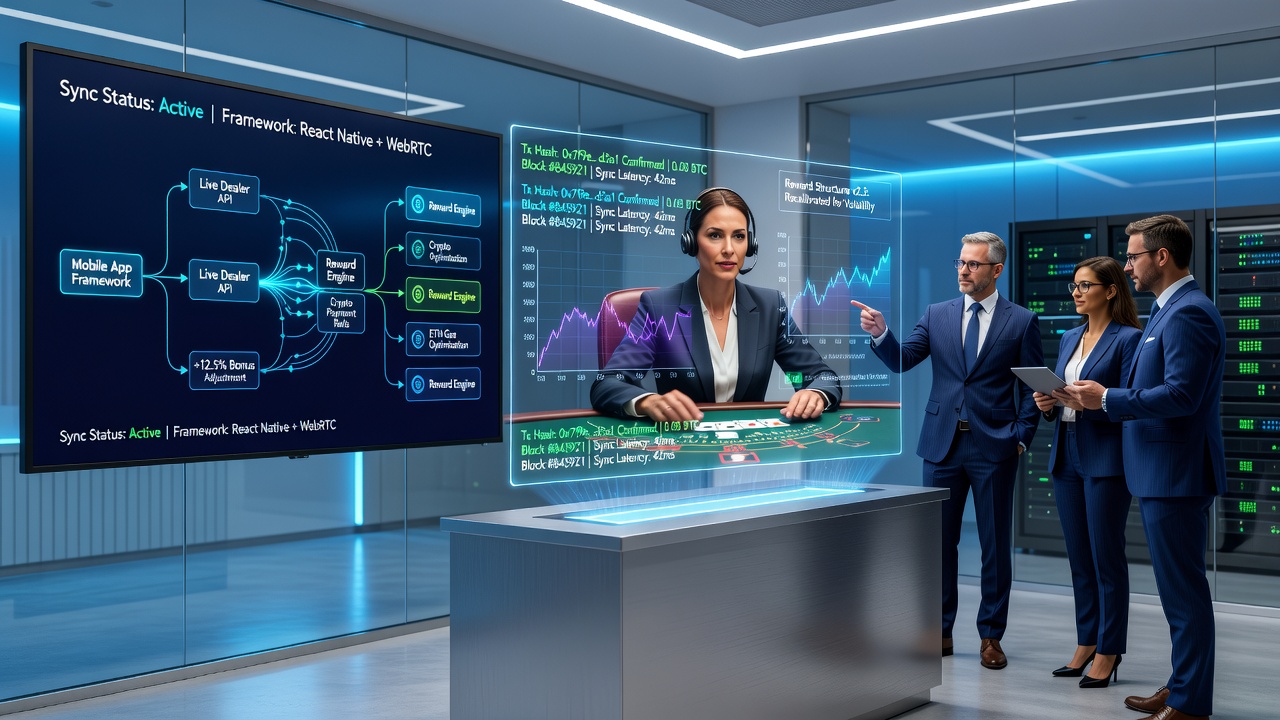
According to findings from the Canadian Gaming Association's 2026 technology overview, platforms utilizing these integrated systems recorded measurable shifts in reward distribution frequency during periods of high transaction velocity. The same analysis indicates that recalibration events tied to live dealer activity increased by measurable margins in markets where crypto rails achieved sub-second settlement times. Developers achieve this through modular code components that allow independent scaling of video processing and blockchain monitoring services, and this separation supports consistent performance even during peak concurrent user loads in November 2026.
Implementation Patterns Across Emerging Platforms
New mobile applications entering the market in late 2026 frequently deploy containerized microservices to manage the sync between dealer interfaces and crypto networks, and these services communicate via secure message queues that preserve data integrity across distributed environments. Case examples from European operators reveal that frameworks built on cross-platform engines such as React Native or Flutter incorporate dedicated plugins for both real-time video and wallet connectivity, which streamlines deployment while maintaining compliance with varying regional data standards.
What's interesting is how these systems handle variable network conditions, since mobile users experience fluctuating connectivity that can interrupt either the dealer feed or the crypto confirmation path. Frameworks address this through buffering mechanisms and retry protocols that queue pending recalculations until both data sources realign, and this approach ensures reward structures remain accurate without requiring player-side intervention. Industry associations in Australia have documented similar patterns in their technical briefings, where synchronized systems reduced manual reconciliation tasks for operators by significant percentages.
Security and Compliance Considerations
Security protocols within these frameworks encrypt dealer feed metadata and crypto transaction details during transit and at rest, while zero-knowledge proofs allow verification of reward eligibility without exposing full player transaction histories. Regulatory bodies across multiple regions require audit trails that log every sync event and subsequent reward adjustment, and platforms meet these requirements through immutable logging on both centralized databases and permissioned blockchains. Those who've examined codebases from recent launches observe that dual verification steps between dealer outcomes and crypto rails add an extra layer of fraud resistance to the overall reward system.
Conclusion
Frameworks that link live dealer feeds with crypto rails enable precise, automated recalibration of reward structures by merging real-time participation data with verified transaction records. This technical approach supports scalable operations across mobile environments and aligns with evolving infrastructure standards observed through November 2026. Continued refinement of synchronization protocols will likely shape how emerging platforms maintain incentive models while meeting operational and regulatory demands.