Server Latency Pathways That Dictate Privilege Escalations in Fresh App-Based Entertainment Frameworks
Written by Kai Keller · Oct 24, 2026
Server Latency Pathways That Dictate Privilege Escalations in Fresh App-Based Entertainment Frameworks
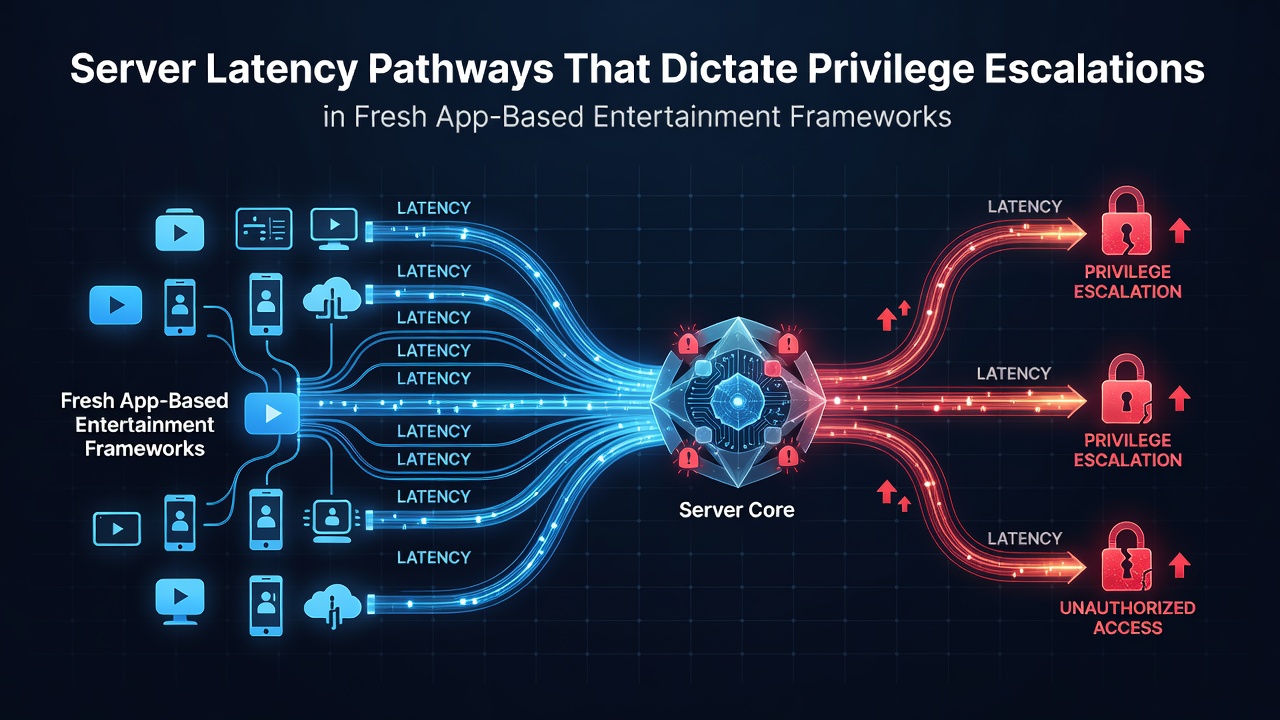
Server latency pathways in modern app-based entertainment frameworks determine how quickly user requests reach authentication and authorization modules, and these delays often shape the conditions under which privilege escalations occur. Developers build these systems on distributed cloud architectures where data packets travel through multiple nodes before reaching the core database, and each hop introduces measurable delays that can range from milliseconds to several seconds depending on network congestion and geographic distance.
Core Components of Latency in App Frameworks
Modern entertainment applications rely on microservices that handle user sessions, real-time content delivery, and access control through separate endpoints, and researchers have documented how response times from these services directly influence whether an escalation request succeeds or fails. Data centers positioned closer to end users reduce round-trip times, yet even optimized setups experience variability when traffic spikes occur during peak hours, which in October 2026 affected numerous platforms across North America and Europe according to industry monitoring reports.
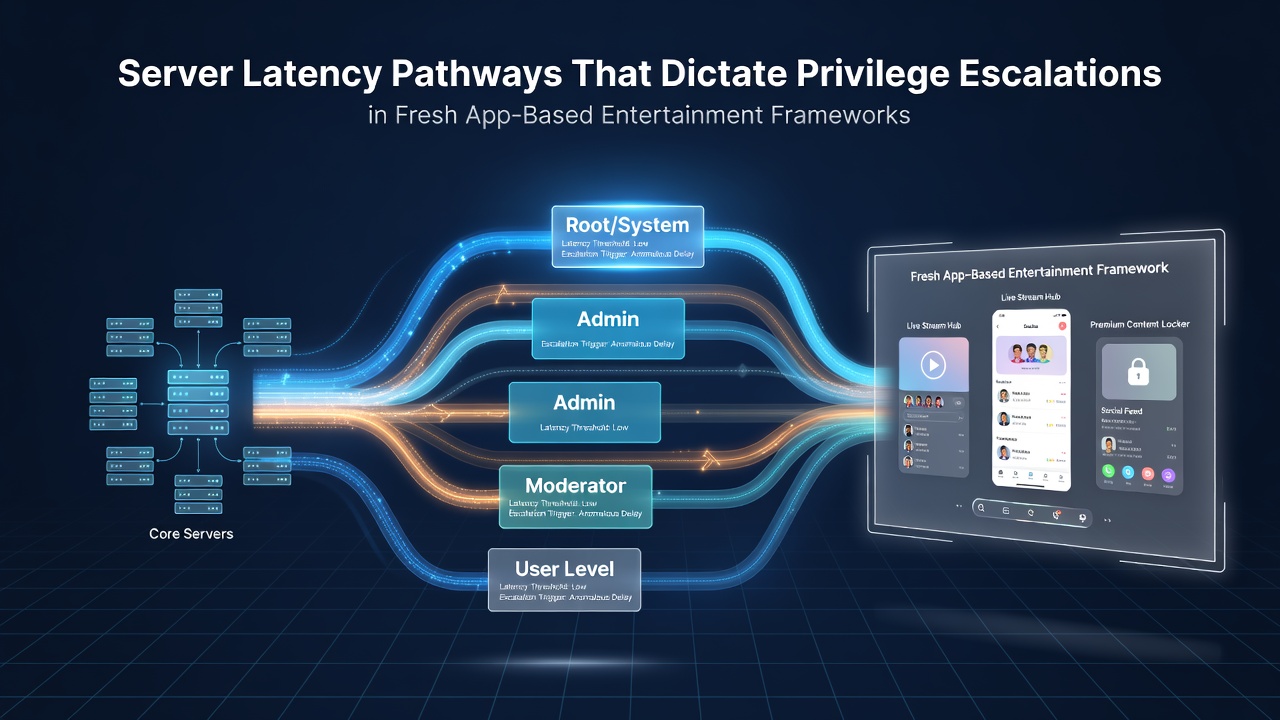
Privilege escalation mechanisms typically activate once a user meets predefined criteria such as session duration, transaction volume, or engagement metrics, yet the verification process depends on synchronized data across servers, and any lag in that synchronization can either accelerate or block the upgrade sequence. Engineers configure these pathways with specific timeout thresholds, and when latency exceeds those thresholds the system may default to cached permission sets that inadvertently grant higher access levels until the next reconciliation cycle completes.
Pathway Mapping and Escalation Triggers
Network analysts map server latency pathways by tracing packet routes from mobile devices through content delivery networks, load balancers, and application servers, and studies from academic institutions in Canada have shown that certain routes consistently produce delays that correlate with elevated privilege assignments. One common pattern involves authentication tokens that expire during transit, forcing the framework to issue new tokens with broader permissions to maintain session continuity.
Entertainment platforms often integrate real-time analytics engines that monitor user behavior and push status updates through message queues, and latency in these queues can cause status changes to process out of sequence. When a high-value action completes on the client side before the server confirms it, the system may interpret the delay as a successful escalation event and apply the new privileges immediately. Observers note that frameworks launched after 2025 incorporate additional validation layers to detect such timing anomalies, yet implementation varies widely across different providers.
Regional Infrastructure Influences
Infrastructure differences across regions further complicate these dynamics, with Australian regulatory bodies publishing data on how undersea cable performance affects cross-continental app frameworks, and similar findings from European research consortia highlight the role of edge computing nodes in mitigating escalation risks. Developers adjust routing tables and implement priority queuing to keep critical authorization calls under strict latency budgets, though complete elimination of variability remains technically challenging in large-scale deployments.
Testing protocols used by software firms include simulated network partitions and artificial delays to measure how privilege systems respond under stress, and results indicate that certain escalation paths activate more frequently when average latency exceeds 250 milliseconds. These tests also reveal that frameworks using eventual consistency models rather than strong consistency experience higher rates of temporary privilege mismatches that resolve only after all nodes synchronize.
Security and Performance Intersections
Security teams examine these intersections because unintended escalations can expose additional features or data layers before intended business rules enforce restrictions, and reports from technology research groups in the United States emphasize the need for continuous monitoring of latency metrics alongside access logs. Frameworks that incorporate machine learning models to predict and pre-emptively adjust for latency spikes have demonstrated measurable reductions in anomalous escalations during controlled trials conducted in 2026.
Integration with third-party services such as payment processors and content libraries adds further variables, since each external call introduces its own latency profile that must align with internal timing expectations. When these external responses lag, teh primary application may grant provisional elevated status to maintain user experience continuity until verification completes.
Conclusion
Server latency pathways continue to serve as critical determinants in how privilege escalations unfold within emerging app-based entertainment frameworks, and ongoing infrastructure improvements alongside refined monitoring practices help address the timing variables that drive these outcomes. Organizations track these interactions through detailed telemetry systems that capture both network performance and authorization events, providing the data needed to refine escalation logic over successive platform iterations.